 Win
Getting to the Software Factory: Moving Up the EPD Hierarchy in the Agentic Age
Adopting AI tools gets you 35% more throughput. Getting to 5–10x takes something else. After six months inside the software companies making that jump, we found it has almost nothing to do with which tools they picked and everything to do with how they reorganized.


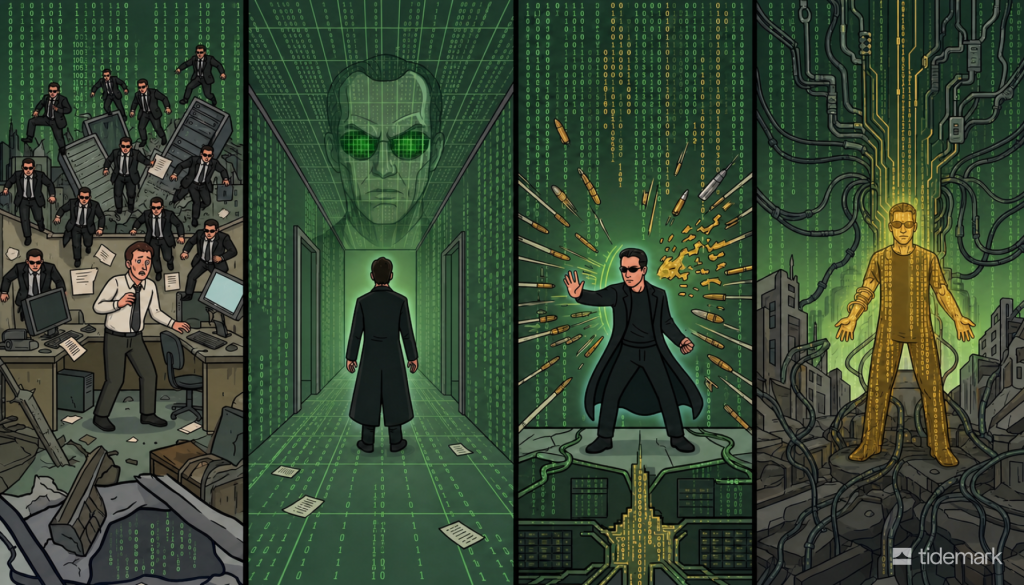
If you're the CEO of a SaaS company, you've heard the pitch a hundred times. Adopt AI tools, ship faster, win. Your board wants it. Your customers want it. You probably have engineers using Claude or Codex already. Maybe throughput went up 35% or 40%.
So why does it feel like the companies pulling away are playing a different sport?
We spent the last six months working hands-on with software companies on their engineering, product, and design transformations. The finding is uncomfortable and consistent: the gap between the companies stuck at 35% and the ones at 5–10x comes down to how they reorganized. Not which tools they picked.
There's a second-order effect that makes this urgent. The companies that transform their EPD organizations are also the ones shipping AI products to their customers fastest. Agentic engineering and agentic products share the same architectural underpinnings: context infrastructure, deterministic orchestration, governance models. A company that builds a software factory for internal development is already halfway to offering AI-native capabilities to its customers. The engineering transformation is part of the product strategy.
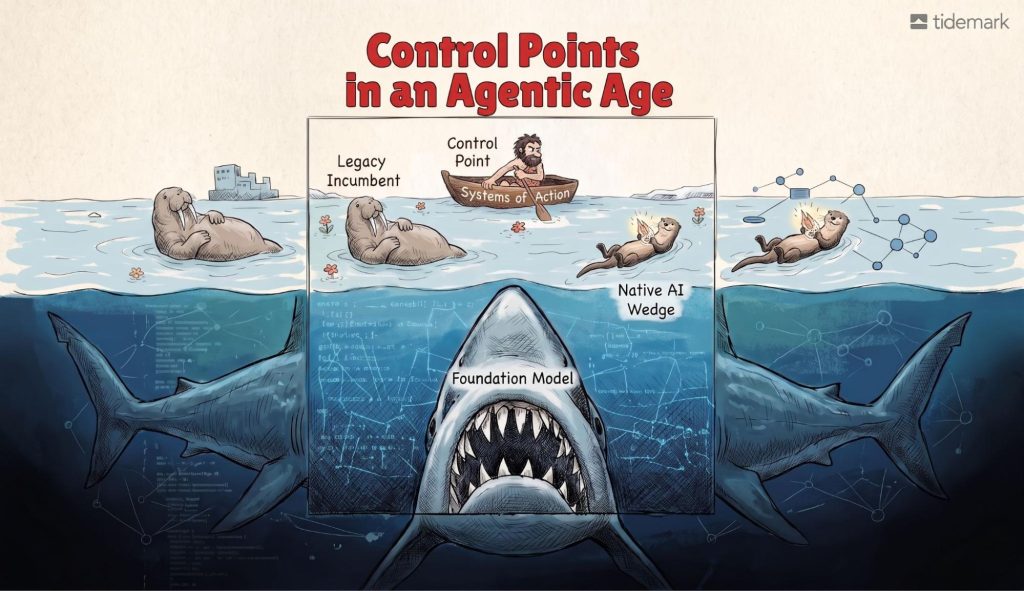
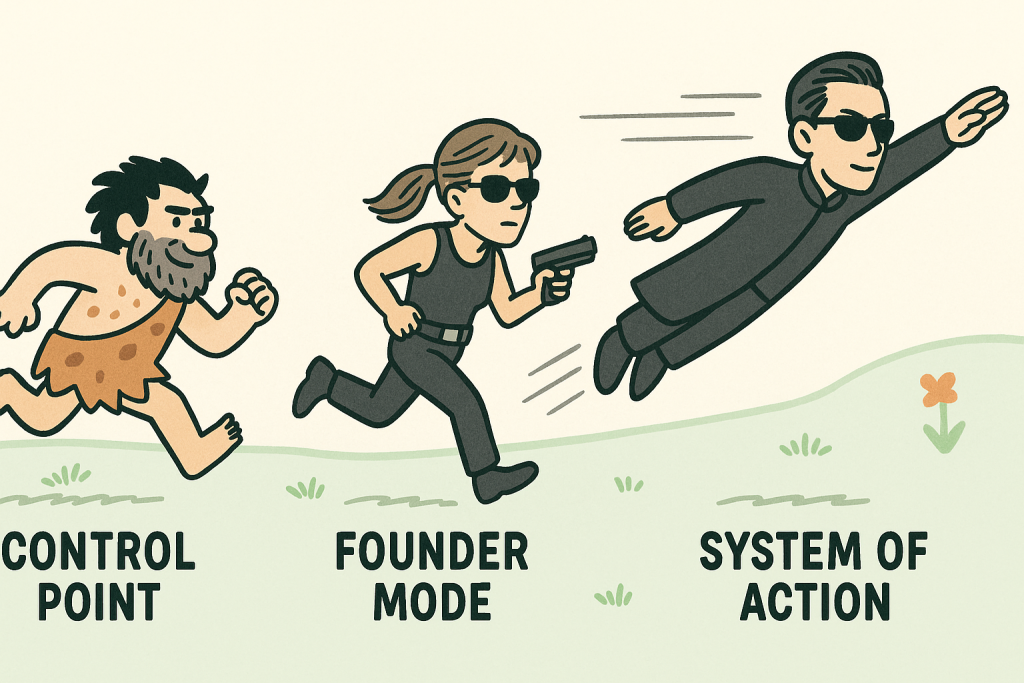
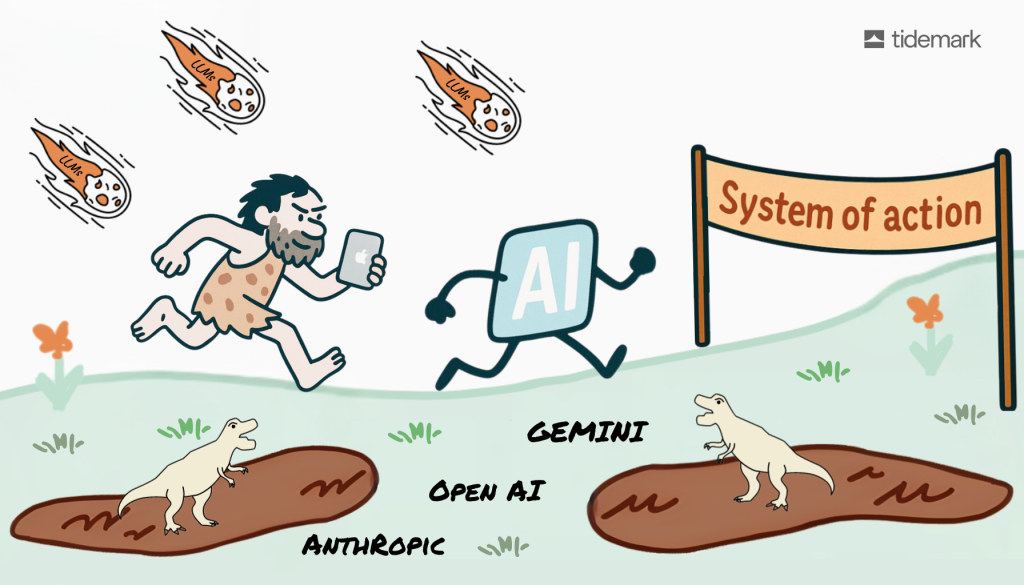
Built for founders, operators and executives. Register below to unlock the rest of this piece and access to our full library of research, frameworks and case studies, including our work on Control Points, the System of Action and how vertical software companies win and scale.



Keep up with Tidemark
Sign up to receive new content as soon as it's released