 Win
Vertical SaaS–Using Better Analytics to Improve Your Odds of Success

By Bob Solomon and Mike Marcus
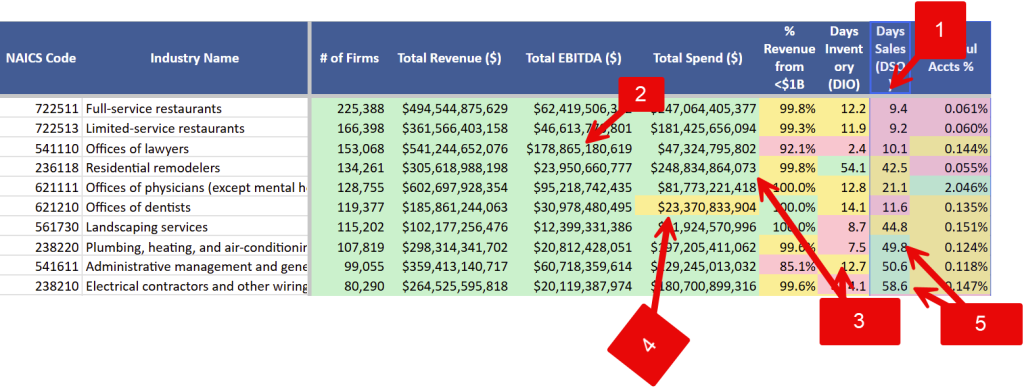
Vertical SaaS platforms have quietly become the operating system many small companies run on. What began as point solutions for scheduling, payments, or CRM now sits at the center of daily operations, which helps explain why SMB adoption reached 59 percent in the US in 2024, up from 50 percent just two years earlier, according to BCG.
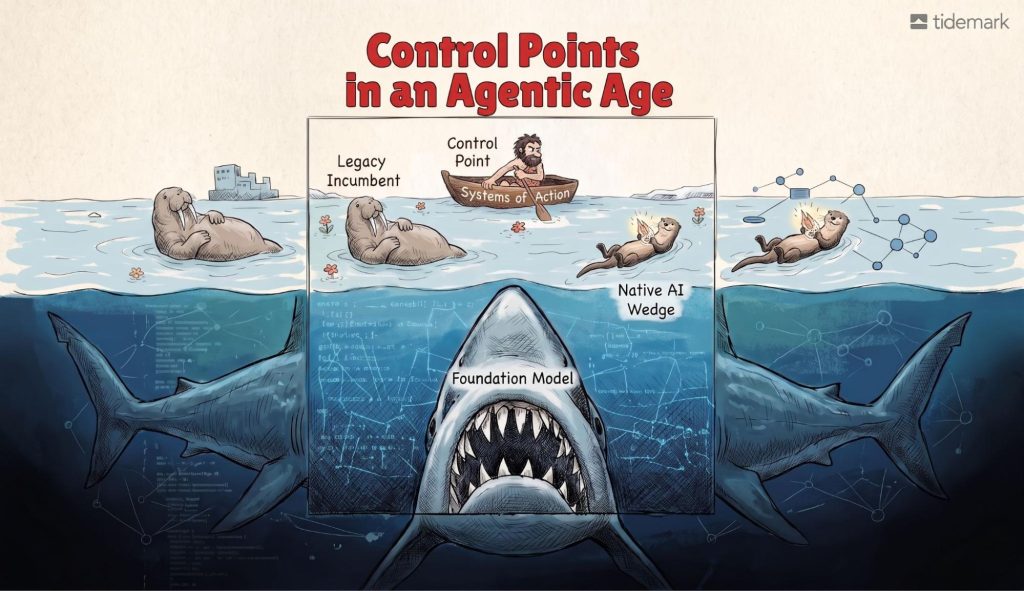
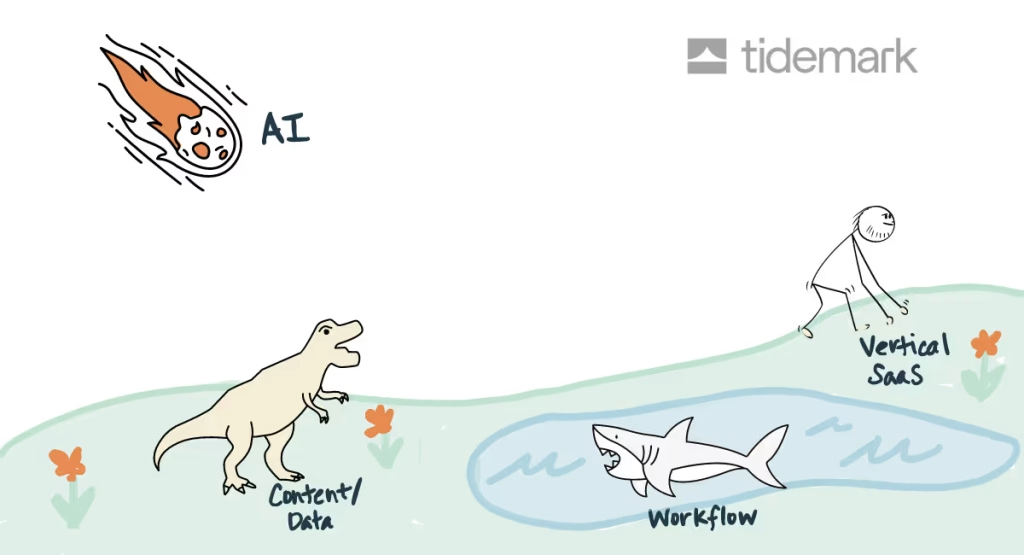
AI is accelerating that advantage. Even after the SaaSpocalypse, vertical SaaS companies still command a 25 to 30 percent premium over horizontal SaaS at comparable performance levels, a sign that the market continues to reward deep workflow ownership. SMBs are unlikely to rip out mission-critical applications or “vibe code” their own replacements, as long as incumbents keep using AI to solve the next layer of operational pain. But when that roadmap stalls, the opening for an AI-native challenger appears quickly.
The strongest vertical SaaS platforms now use AI to automate, integrate, and increasingly perform the jobs that define how these businesses run day to day. That expansion typically begins in customer-facing workflows like CRM, CPQ, receivables, and payments. From there, the roadmap naturally extends into operational systems such as scheduling, project management, and workforce coordination, before expanding further into accounting and supplier-facing back-office functions through the general ledger, accounts payable, and procurement.
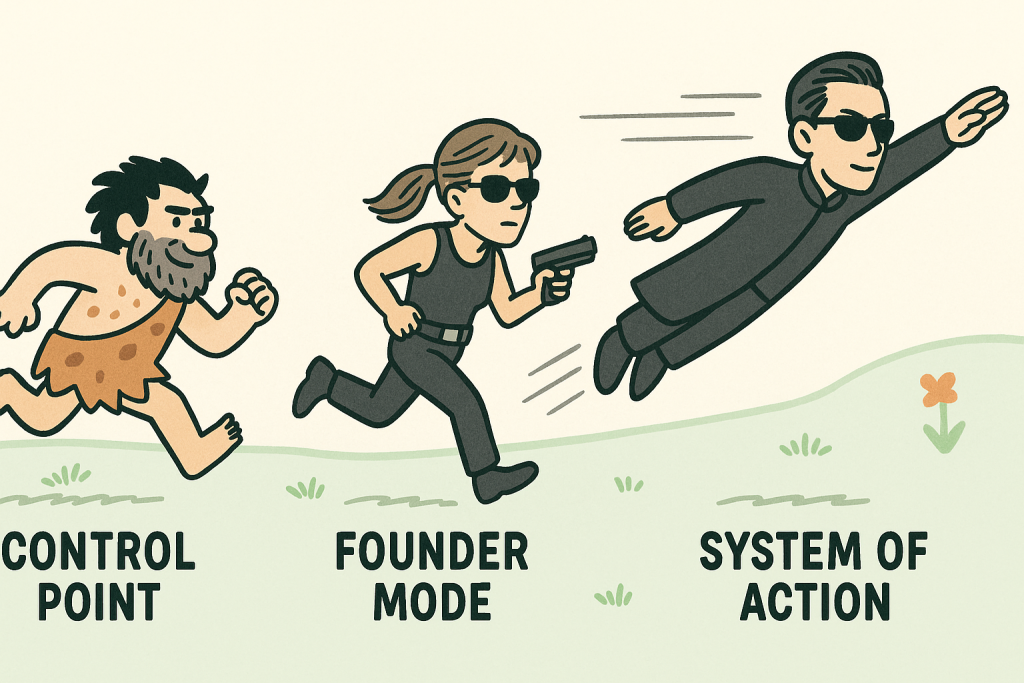
Built for founders, operators and executives. Register below to unlock the rest of this piece and access to our full library of research, frameworks and case studies, including our work on Control Points, the System of Action and how vertical software companies win and scale.






Keep up with Tidemark
Sign up to receive new content as soon as it's released